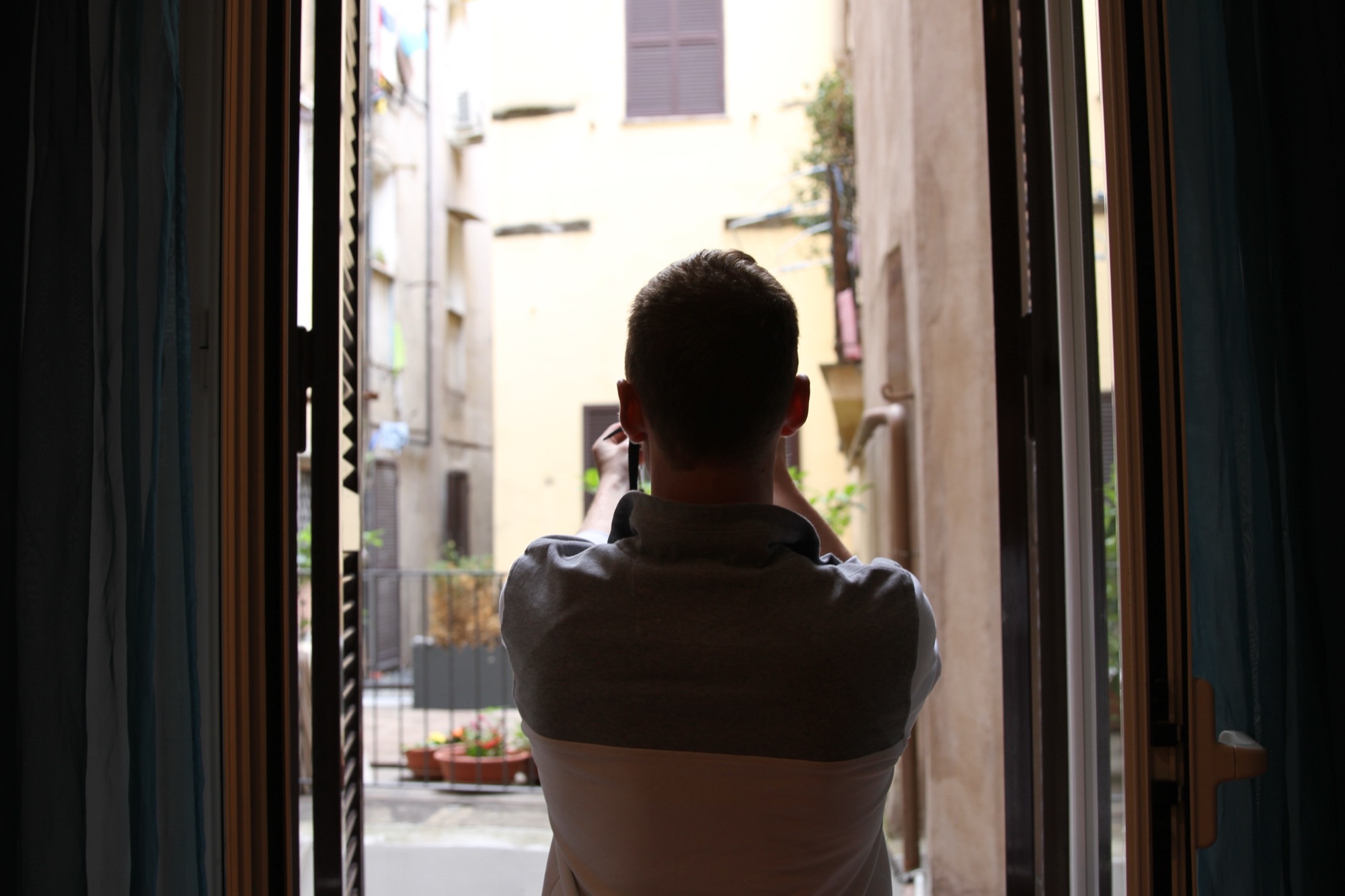
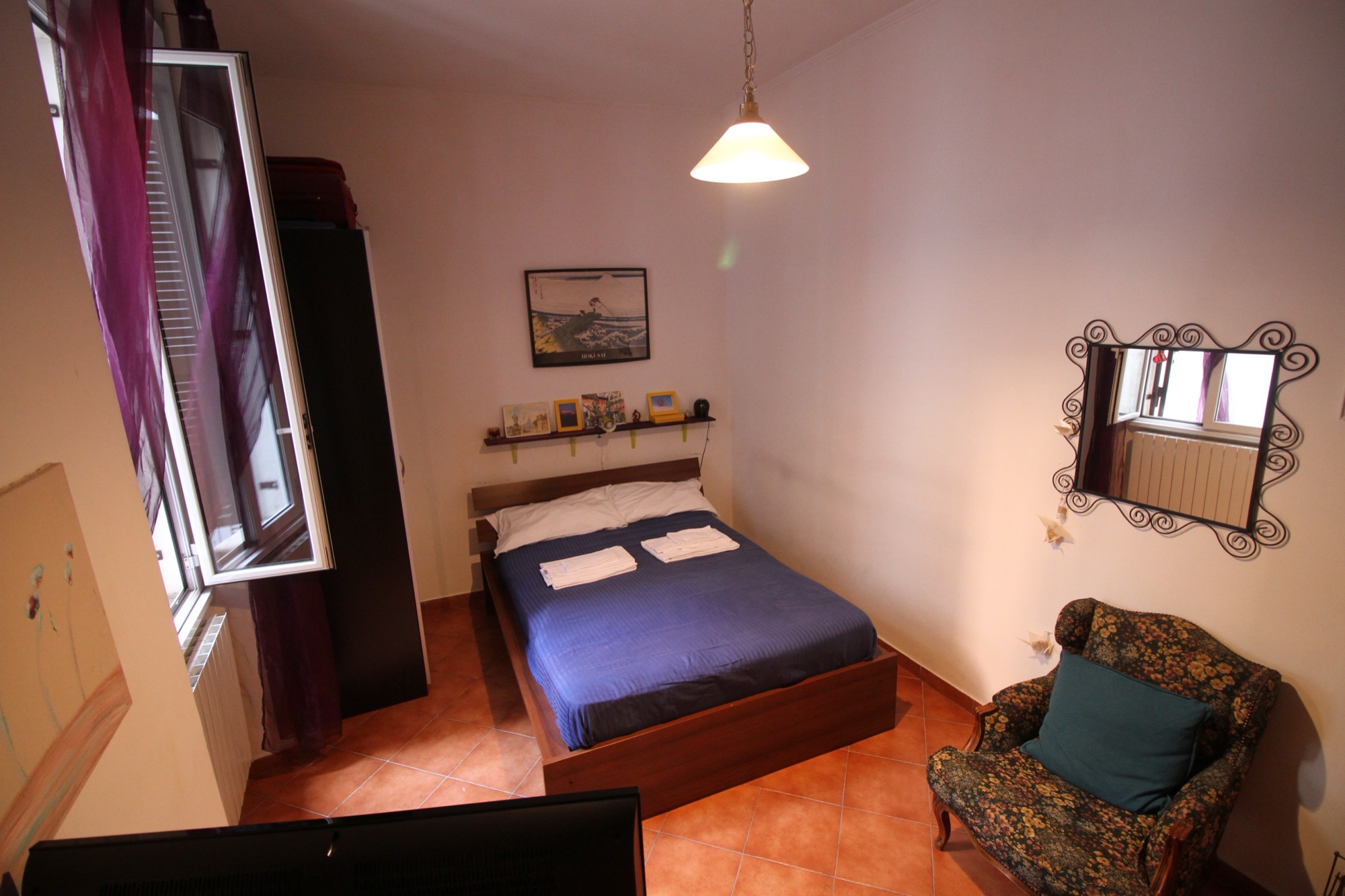
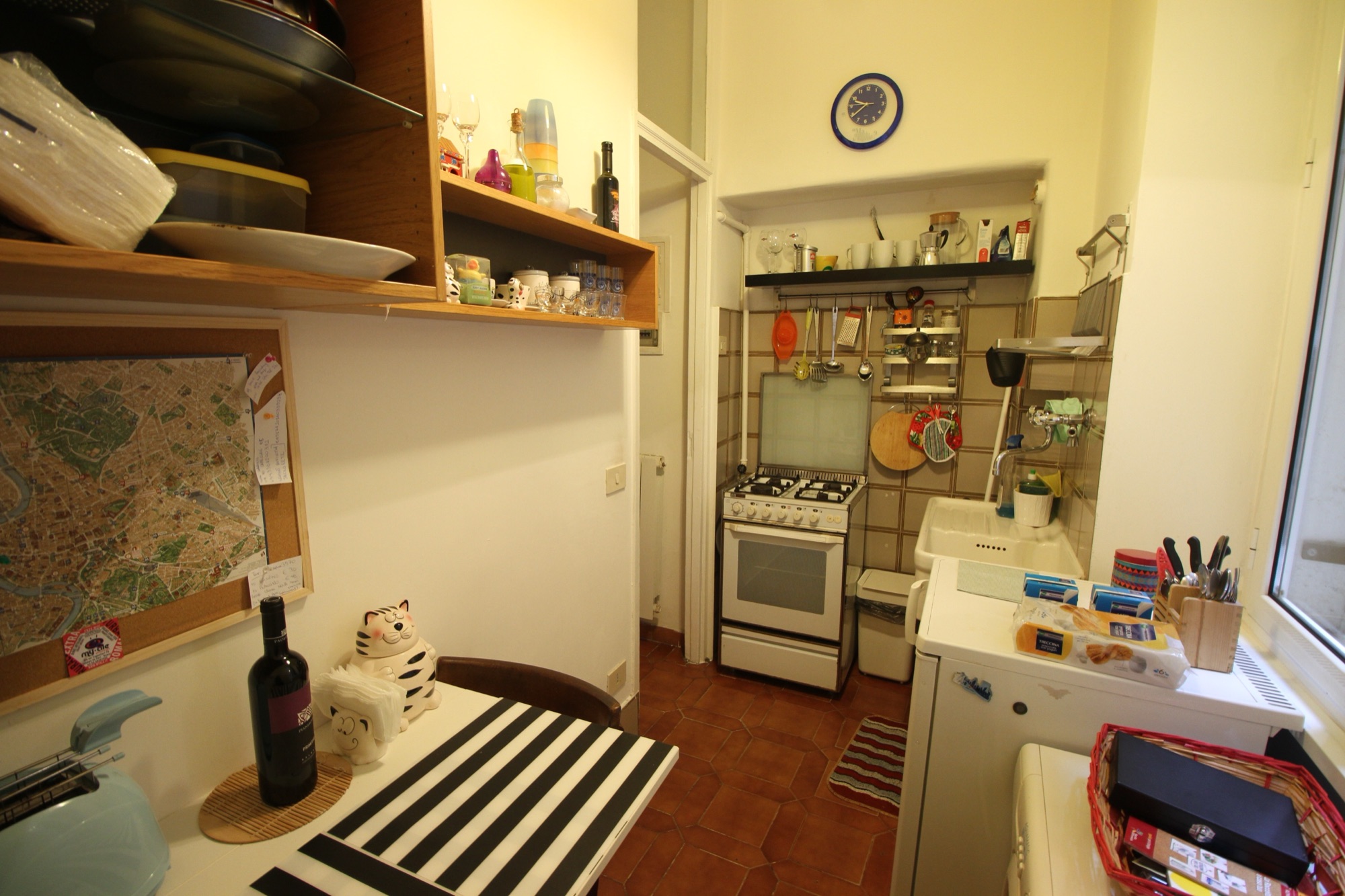
T he first thing you notice when you get into a cab here is how aggressively “Jason Bourne” Italian drivers can be—I think we successfully dodged a dozen collisions. Upon arriving, we first met our Airbnb host, Mara, who showed us around the apartment, located near Campo di Fiori. She had a bottle of red wine in the kitchen as a house warming gift and made sure to show us how to use the Harry-Potter-esque key to the door, which you have to turn 5 times to lock/unlock. After unpacking, we decided we needed to prepare for our first meeting with the director at Casa Scalibrini 634, a house that helps refugees integrate with the local community.
After getting settled, we jumped on a Google Doc to do a little more research on their mission and start coming up with interview questions. “Are we even going to be able to interview someone today?”, we thought. Like maybe it’s just a tour and we’ll have to get permission to possibly come back some day later this week…What about the language barrier? How do we even get there?
Today we got settled in our apartment,visited Casa Scalibrini,and interviewed a refugee
We cabbed over to the house, which sat in a quieter part of town. Casa Scalibrini is a tiny community made up of 4 staff members who help house and work with 35 refugees. We walked through their leafy courtyard and found Mariana, our contact, who explained to us that even though this chapter started in October, it has now expanded to host lots of projects. They offer sewing, language and driving courses, as well as access to laundry, internet, and meals. We visited the chapel, kitchen, Muslim prayer room, and web radio soundbox–part of a newly funded program aimed at giving refugees a voice for other refugees. Residents are fairly autonomous, having their own food in marked boxes within a collective pantry.
There were not many refugees there while we were visiting because they were likely working or in school. We actually met one who had just arrived home from the fields. Casa Scalibrini serves refugees who have already sought and received asylum and have been in the country for about a year. They charge residents a minimal fee to offer a sense of investment for the refugees while being reasonably priced.
Mariana understood we wanted to get some footage and placed a quick call to see if a refugee who spoke English was there–sure enough, within ten minutes, Simon had arrived home and was ready to talk to us on camera.
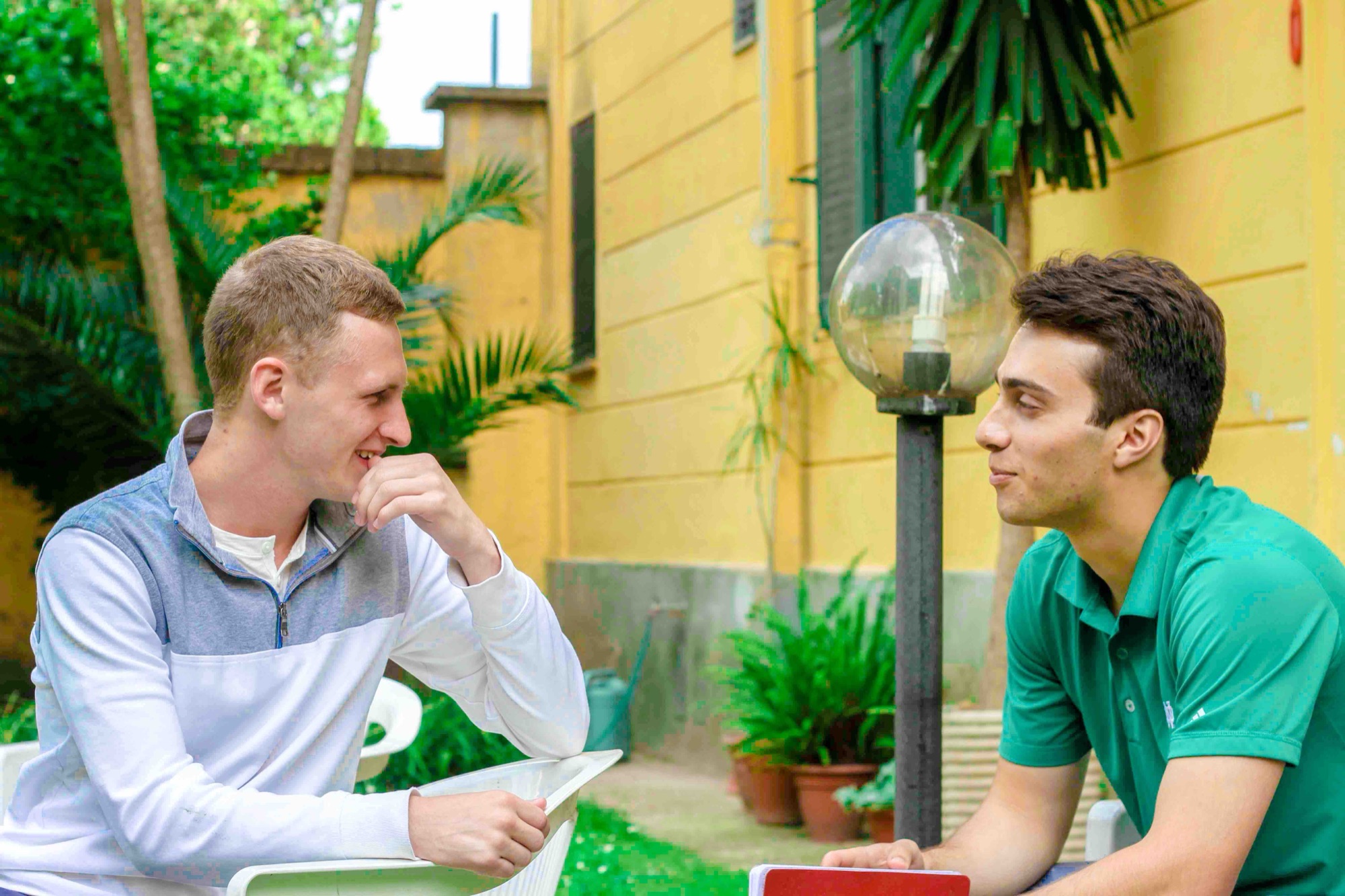
Nick, Soren, and I scrambled to get the camera set up and some questions in mind–we couldn’t believe that we would actually be interviewing a refugee on camera on just our first day in Rome. Soon enough, we got to meet Simon, a refugee from Congo now living at Casa Scalibrini. Simon told us about crossing the Congo river with a fake passport to escape his homeland, having spent 6 months in jail there.
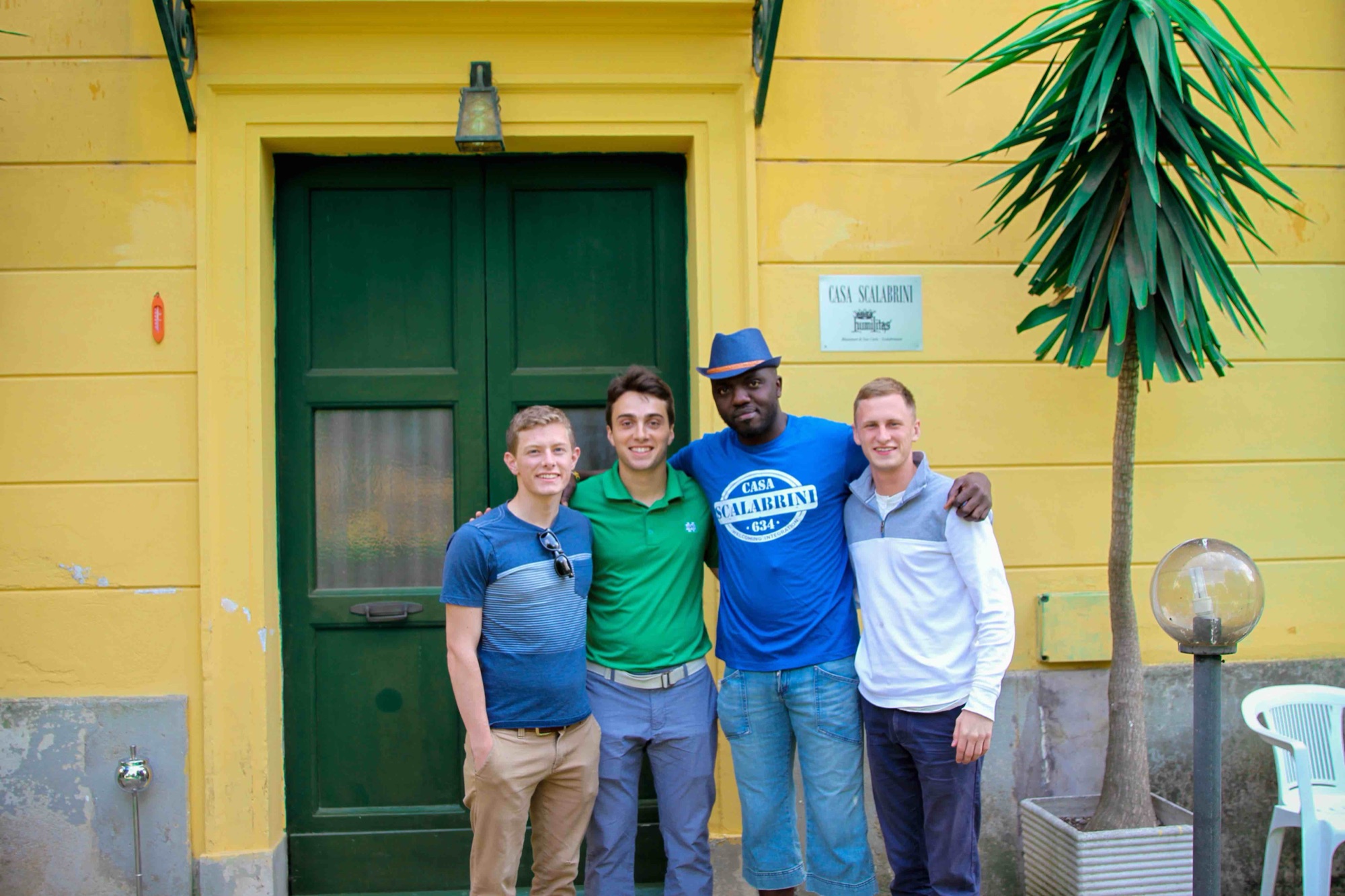
Simon worked with victims of the Congo army’s brutal practices of sexual assault, leading him to become a victim of intense scrutiny and persecution by the government. Simon explained how he arrived in Italy, via flight and not boat, and detailed the hostile conditions in his homeland, telling us that he did want to someday go back.
Simon said he feels best working in the social sector, helping people, even though he now waits for people to hear his story and try to help him.
Now, I have to do everything that I can do just to survive.” – Simon